


Nilda Rivera
1/12/2026
I had one of the best car-buying experiences this weekend that I’ve ever had at Darcars BMW in Mount Kisco, NY. From the moment I walked in, everyone was helpful, friendly, and genuinely attentive to my needs and budget.

Are you wondering how the BMW xDrive vs. sDrive models compare? Both drivetrains are meticulously engineered and tailored for performance prowess, but each provides unique benefits that can enhance your daily drive. After you read our comprehensive BMW xDrive vs. sDrive comparison, visit DARCARS BMW of Mt. Kisco to experience your favorite model with a test drive.
At a glance, BMW xDrive vs. sDrive is a matter of all-wheel drive (AWD) vs. two-wheel drive (2WD). The xDrive models output power to all four wheels, while sDrive models typically put power down through the rear wheels. That said, certain BMW sDrive models may use a front-wheel-drive (FWD) layout instead of rear-wheel drive (RWD) for the sake of enhanced fuel efficiency.
No matter where you drive, BMW xDrive vs. sDrive layouts both include an advanced roster of performance features to achieve superb handling.
For example, BMW sDrive models can include a torque vectoring system that continuously adapts the power flow around any driving situation. Each wheel receives a precise amount of power in these 2WD models – other brands typically reserve torque vectoring systems for their AWD vehicles.
You'll also find torque vectoring on BMW xDrive models. Vehicles like the new BMW X6 xDrive40i can use their AWD torque vectoring in tandem with the Dynamic Stability Control system, immediately responding to any slippery surface or lack of traction. When your BMW vehicle finds optimal traction, the AWD system uses its torque-vectoring four-wheel grip to unlock precision handling with knife-edge responsiveness.
Due to the extra drive axle and advanced systems, another key BMW xDrive vs. sDrive difference is that xDrive alternatives can be more costly than their sDrive counterparts.
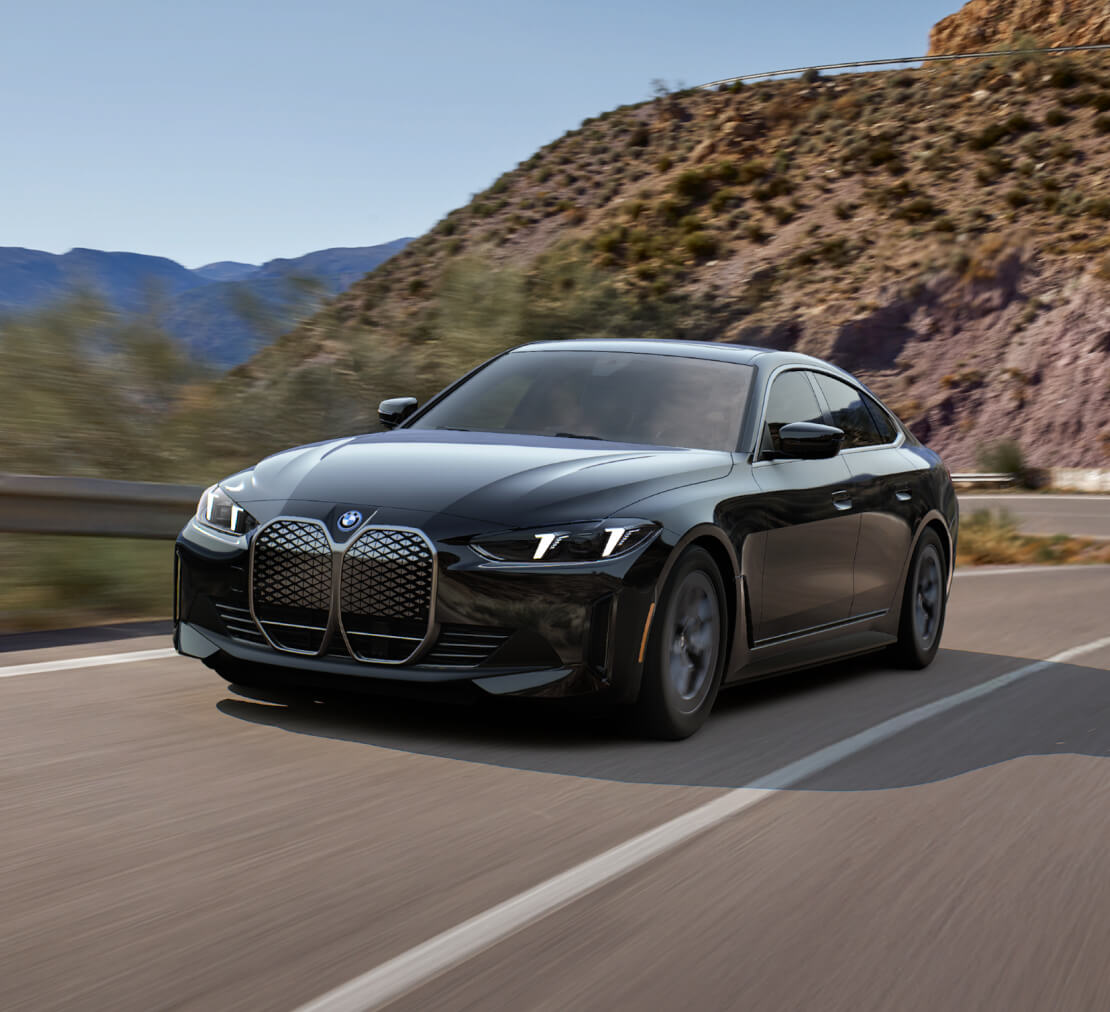
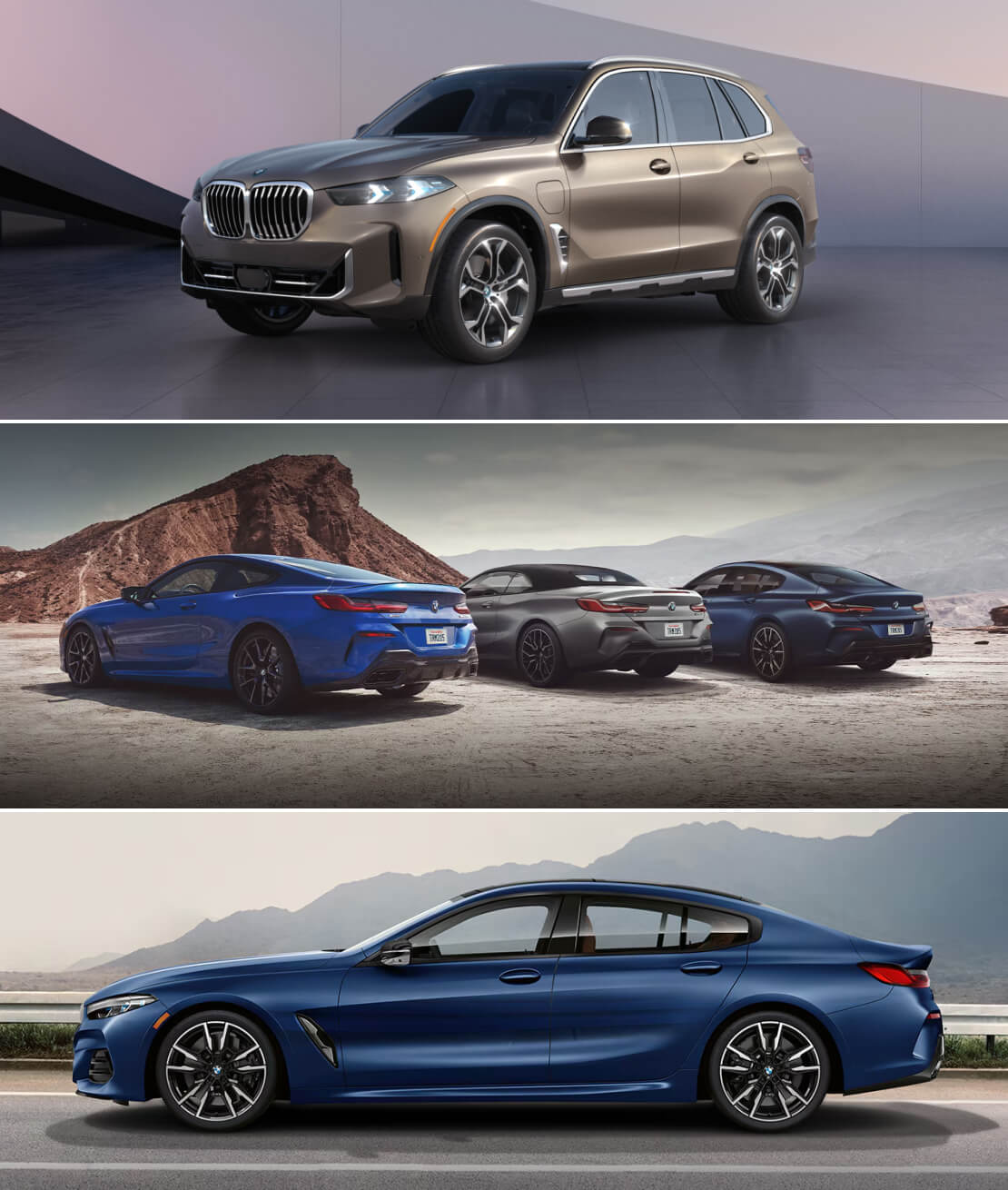
BMW xDrive vs. sDrive performance is where you'll feel a difference. The AWD traction of xDrive can hook the wheels to the pavement more effectively, often launching you up to speed faster. Some achieve equal 0-60 mph runs with either drivetrain, focusing instead on precision handling and all-weather confidence.
Here's an overview of how a sampling of new 2026 BMW models vary in 0-60 mph times when equipped with BMW sDrive or xDrive, along with how a non-sDrive RWD model compares to its xDrive equivalent. You'll quickly start to notice a pattern, where xDrive always stays one step ahead:
A new BMW X5 for sale equipped with xDrive will be able to go from zero to 60 mph in just 5.3 seconds,1 slightly faster than its standard sDrive configuration. Remember, though, that 0-60 specs don't show the enhanced handling of xDrive models – a test drive will reveal the full performance benefits.
While BMW xDrive vs. sDrive performance sees xDrive boost handling dynamics and often faster straight-line acceleration, BMW sDrive can offer higher fuel economy figures. Using the same models we compared performance of above, here's a look at how sDrive vs. xDrive mpg ratings can vary:
As you can see, xDrive may sacrifice 1 or 2 MPG to achieve higher performance and handling precision, but it will always be close – and often the same – as its sDrive variant.
An exception is that when you opt for the ultimate performance model on a 2026 BMW X5, the BMW X5 X5 M60i with xDrive, which is equipped with the more potent 4.4-liter TwinPower turbo V-8 engine, you will see a dip with an EPA-estimated 17/22 (City/Highway).2 This is one slight drawback with the stunning M models, but as with any BMW model, the choice boils down to your driving style.
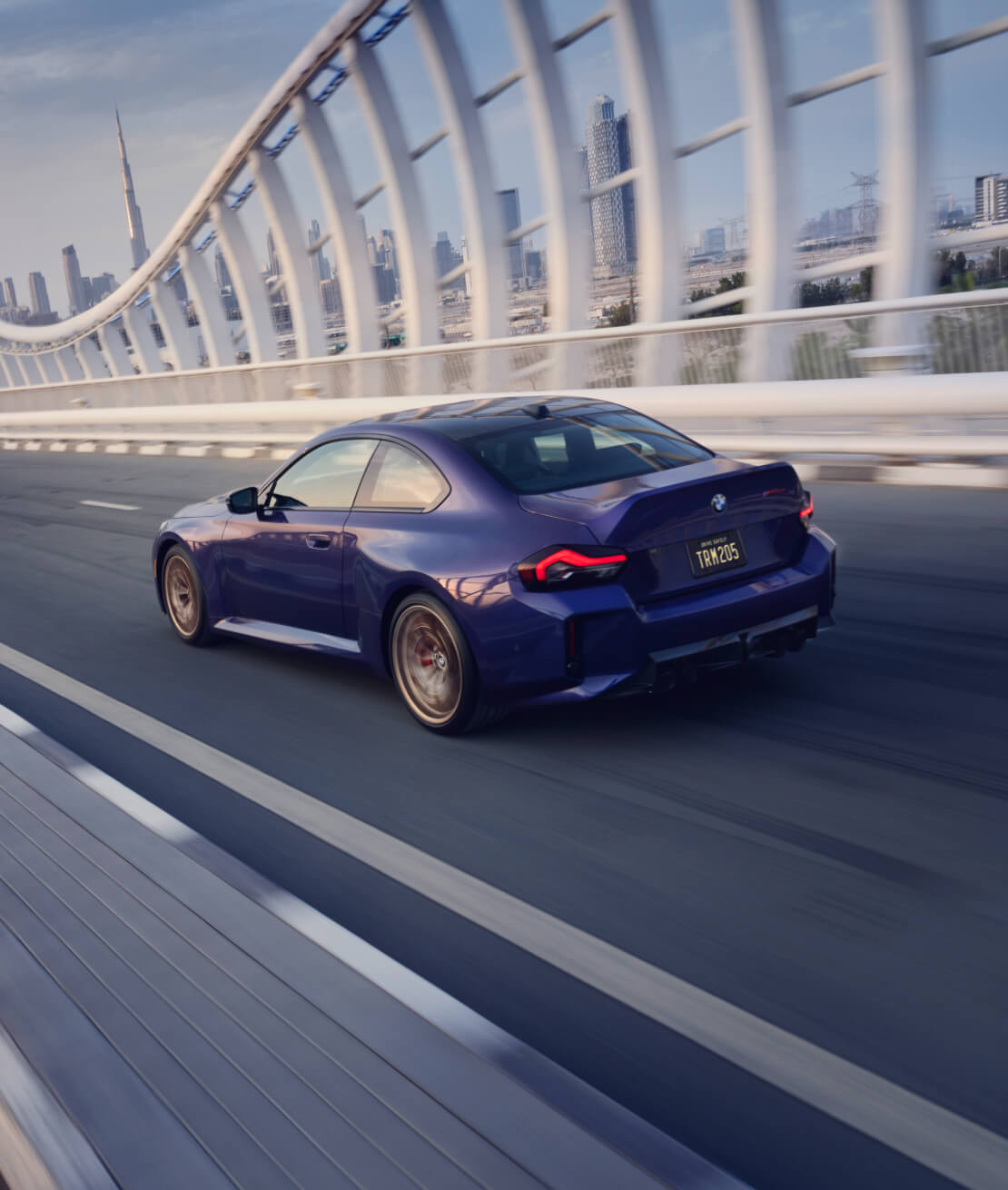
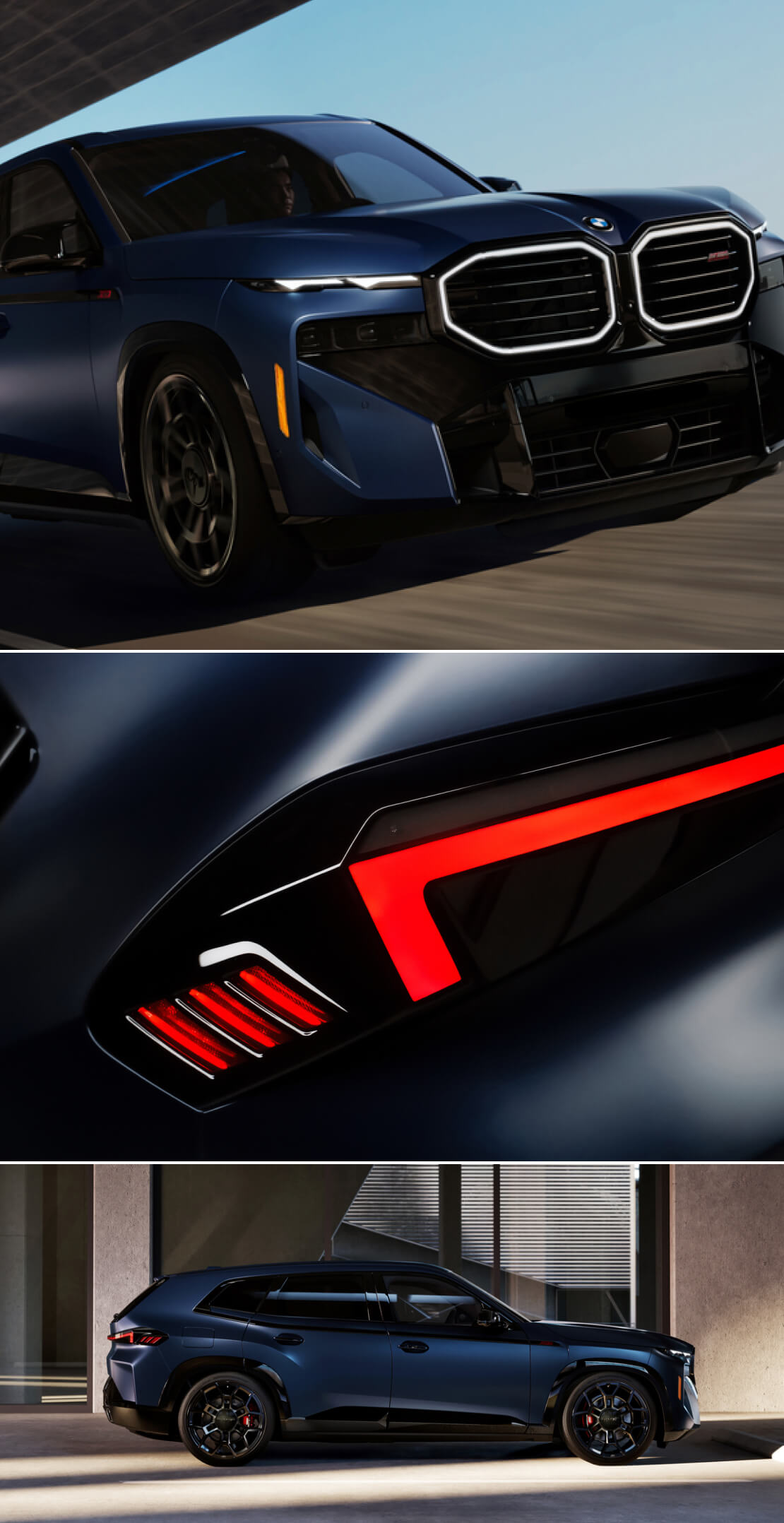
Before we investigate all of the models in sequence, let's first check out the availability of BMW xDrive vs. sDrive systems.
Models with available xDrive but no standard sDrive use a similar 2WD layout, but they may not include the unique sDrive features. In addition, some sedans, like the BMW 2 Series model, use front-wheel drive rather than rear-wheel drive with its sDrive format. To understand the differences, please talk with our team. We'll walk you through which models feature the unique sDrive touch.
The following chart compares the most fuel-efficient sDrive variants of the most popular BMW models with their xDrive variants.
| sDrive | xDrive | |||
|---|---|---|---|---|
| 0-60 mph time1 | EPA-Est. MPG (City / Hwy / Cmb)2 / MPGe (City / Hwy / Cmb)3 | 0-60 mph time1 | EPA-Est. MPG (City / Hwy / Cmb)2 / MPGe (City / Hwy / Cmb)3 | |
| BMW X5 | 5.3 sec | 23 / 27 / 25 | 5.2 sec | 23 / 27 / 25 |
| BMW 2 Series | 6.1 sec | 27 / 39 / 31 | 5.8 sec | 26 / 38 / 30 |
| BMW 3 Series (330i) | 5.6 sec | 28 / 35 / 31 | 5.4 sec | 26 / 34 / 29 |
| BMW 3 Series (M340i) | 4.4 sec | 27 / 33 / 29 | 4.1 sec | 26 / 33 / 29 |
| BMW 4 Series (430i) | 5.8 sec | 28 / 36 / 31 | 5.7 sec | 27 / 34 / 30 |
| BMW 5 Series | 5.9 sec | 28 / 35 / 31 | 5.8 sec | 27 / 35 / 30 |
| BMW 7 Series | 5.2 sec | 25 / 31 / 28 | 4.9 sec | 24 / 31 / 27 |
| BMW 8 Series | 4.9 sec | 21 / 29 / 24 | 4.6 sec | 21 / 29 / 24 |
| BMW M4 | 3.8 sec | N/A | 3.4 sec | N/A |
| BMW i4 | 5.5 sec | 121 / 115 / 118 (MPGe) | 4.9 sec | 99 / 103 / 101 (MPGe) |
| BMW i5 | 5.7 sec | 114 / 106 / 110 (MPGe) | 5.2 sec | 99 / 97 / 98 (MPGe) |
| BMW i7 | 5.3 sec | 85 / 93 / 88 (MPGe) | 4.5 sec | 85 / 91 / 88 (MPGe) |
Now that you know the differences between the sDrive vs. xDrive models, is the all-wheel power of xDrive up your alley, or is the extra efficiency of sDrive right for you? Whichever system is your winner, we can offer you a test drive of a new or pre-owned BMW model equipped with it. Swing by our showroom to compare BMW xDrive vs. sDrive in person.
When you compare BMW xDrive vs. sDrive, the "better" system will depend on your driving style and on-road preferences. If you'd prefer higher-rated MPG and a lower starting MSRP, sDrive may be better for your luxury performance car. However, if you'd like precision handling, stronger traction, and often faster 0-60 mph times, xDrive will satisfy you during every drive.
BMW sDrive is a two-wheel-drive system unique in the industry for offering torque-vectoring, while BMW xDrive is an all-wheel-drive system built for precision and confidence at all times. While sDrive can offer higher MPG ratings, xDrive can provide faster straight-line acceleration. Also, sDrive models often have lower MSRPs than their xDrive counterparts. Try out models with different systems to see which you prefer.
BMW xDrive is worth the extra money because it can unlock new levels of agility, off-the-line acceleration, and confidence-inspiring traction in any weather condition. If you'd like to compare the BMW xDrive vs. sDrive benefits, visit DARCARS BMW of Mt. Kisco today for back-to-back test drives. We'll be happy to answer any questions you have about the different drivetrains.
1/12/2026
I had one of the best car-buying experiences this weekend that I’ve ever had at Darcars BMW in Mount Kisco, NY. From the moment I walked in, everyone was helpful, friendly, and genuinely attentive to my needs and budget.
| BMW XM Release Date | BMW X3 Interior | BMW iX vs. Tesla Model Y |
| BMW i4 vs. Tesla Model 3 | BMW Test Drive | BMW iX Interior |
| BMW 3 Series 0-60 & Horsepower | BMW X5 vs. BMW iX | BMW X5 vs. Mercedes-Benz GLE |
1BMW AG preliminary test results. Actual acceleration results may vary, depending on specification of vehicle; road and environmental conditions; testing procedures and driving style. These results should be used for comparison only and verification should not be attempted on public roads. BMW urges you to obey all posted speed laws and always wear safety belts.
2Preliminary EPA-estimated figures are for comparison purposes only. Your actual mileage will vary, depending on speed, driving habits, trip length and driving conditions; actual mileage may be lower.
3Preliminary EPA-estimated figures are for comparison purposes only. Your actual mileage will vary, depending on speed, driving habits, trip length and driving conditions; actual mileage may be lower. Note for MPGe: All data are provisional and subject to official confirmation. The provisional power consumption figures have been calculated based on the ECE test cycle.